Worked intermittently. Until it didn’t
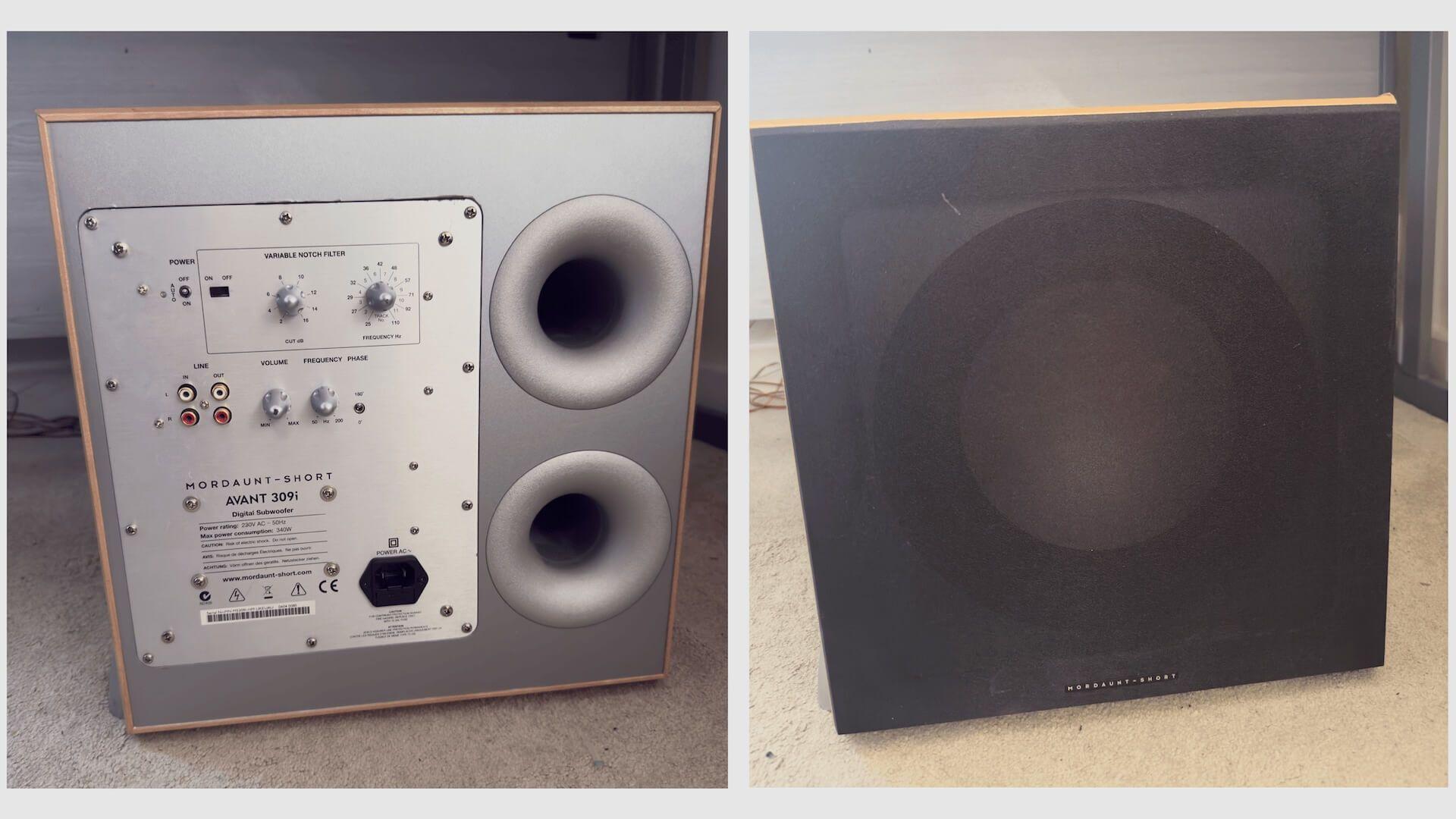
“That looks like it’s new,” my partner observed. I’d thought the same thing when I went to grab what was described as ‘works intermittently’ from the neighbour’s. It was a Mordaunt Short MS309i subwoofer, and it came boxed in an unblemished box with a transport sleeve with some of the transport documents in it - as if it had just been delivered.
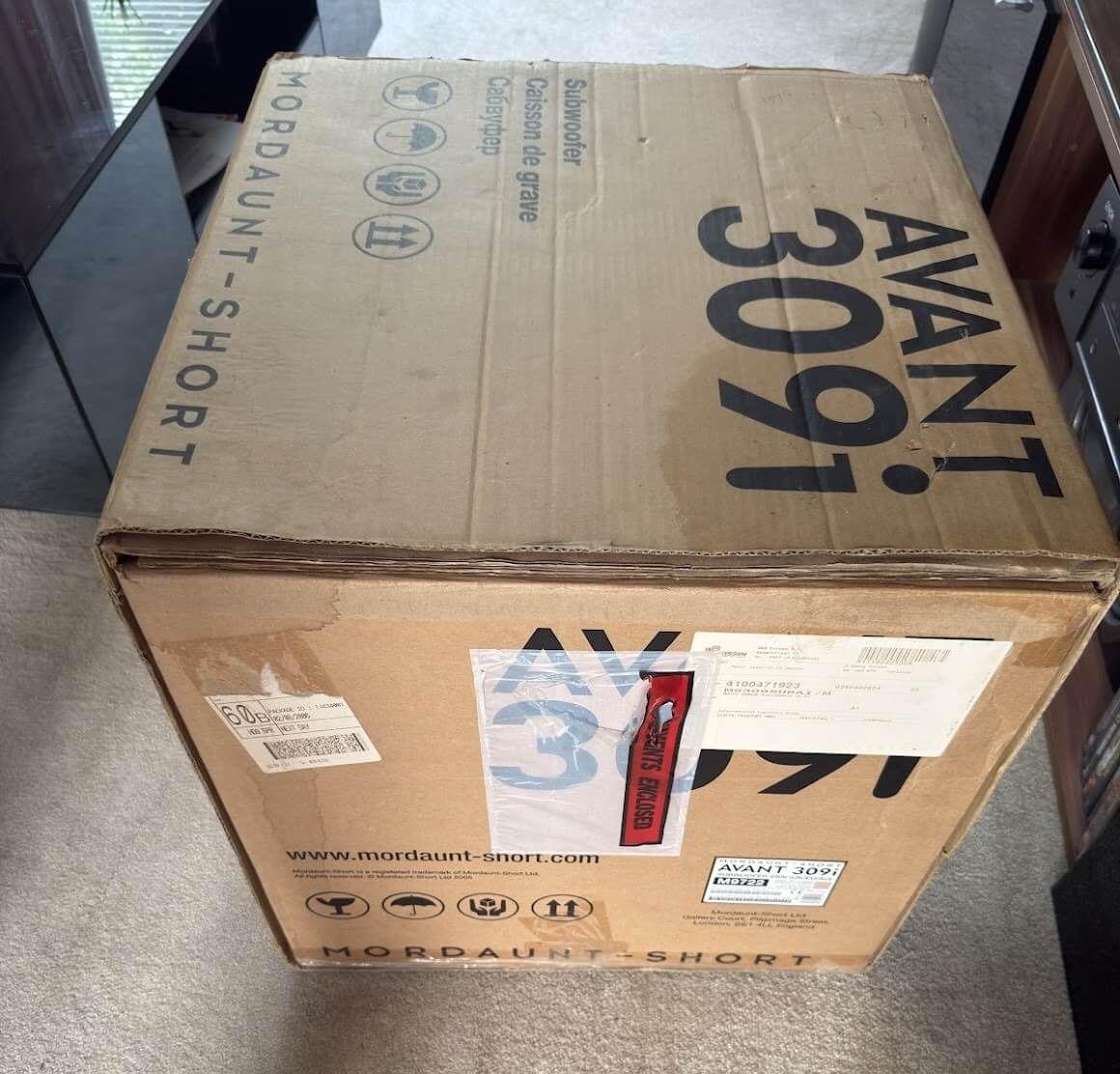
The sub’s 10-inch active driver means that it is not exactly the best-in-class by any means, but I had a mild interest in trying to fix it and save it from going in the tip. I’d looked up the symptoms they said the sub was showing, and I was somehow convinced I could manage the relatively minor surgery of desoldering what the forums said was very likely a damaged relay and soldering in a new one. No biggie.
Until a few months ago at the start of 2026, the last time I’d held a soldering iron was pre-COVID in 2019. And that wasn’t even for my project; we were out on a charity drive to try to get kids to be enamoured by the bits and bobs that come with electronic components and get them psyched about STEM careers.
What dragged me back - albeit somewhat voluntarily - was a listing on eBay for a box full of electronic components, kits and knick-knacks. I recall thinking it was almost definitely going to sell for at least £100, considering all the stuff the seller listed. And then, five seconds before the listing ended, I put in an amount slightly higher than what it was at the time, with lots of hope but zero expectations.
A few minutes later, I got the email to pay for my purchase. I’d won it at £16.
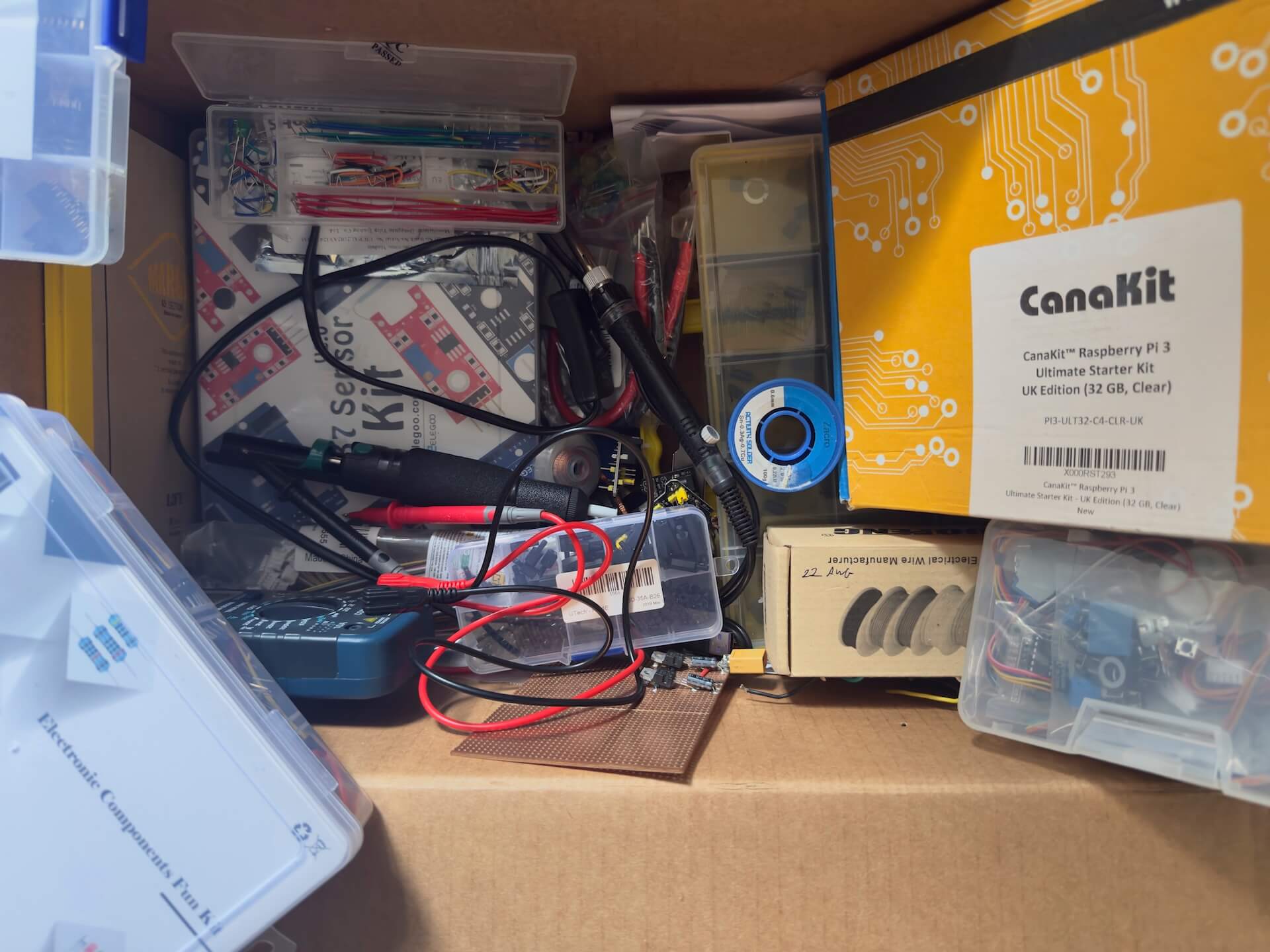
The box, when it arrived, proved to be worth - at least in my amateur eyes - more than I even imagined. There were three different mostly complete electronic kits, several projects in various stages of completion, a soldering iron with solder and desoldering wicks, and more.
So, over the months that followed, I played around with rudimentary electronic projects, rediscovered DIY sensors (more like discovered modern sensors) and started building smart home sensors for Home Assistant. Mostly, I tried to figure out just how much stuff is in the box. There are still components I don’t know about in there, like I recently found out.
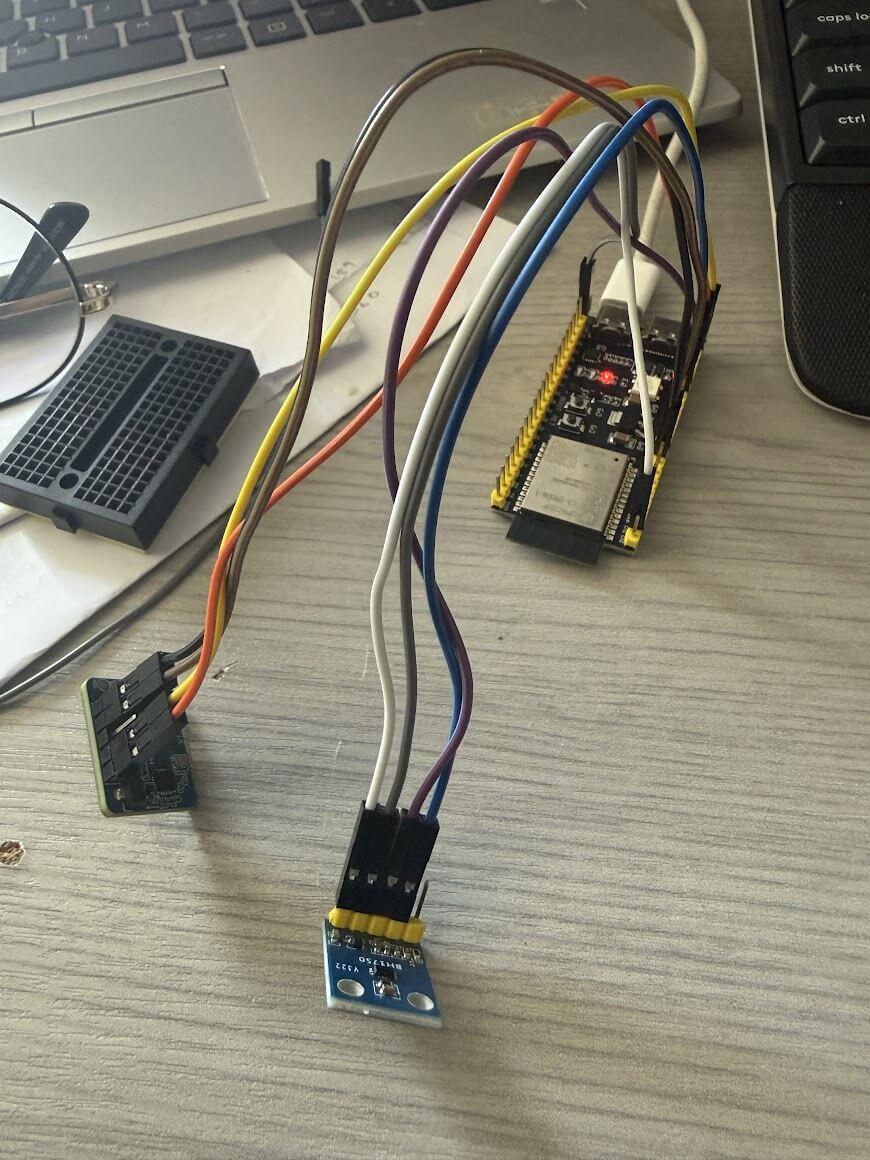
One of the mistakes I was making was placing the modules directly on the prototype boards, which is fine if you know what you’re doing, but I’m basically just pointing the iron at whatever it can touch. Okay, that’s not entirely accurate; I had a general idea (at best) of what was happening, but the soldering iron was too hot, and I was using too much solder. Anyway, some modules died. They will be missed.
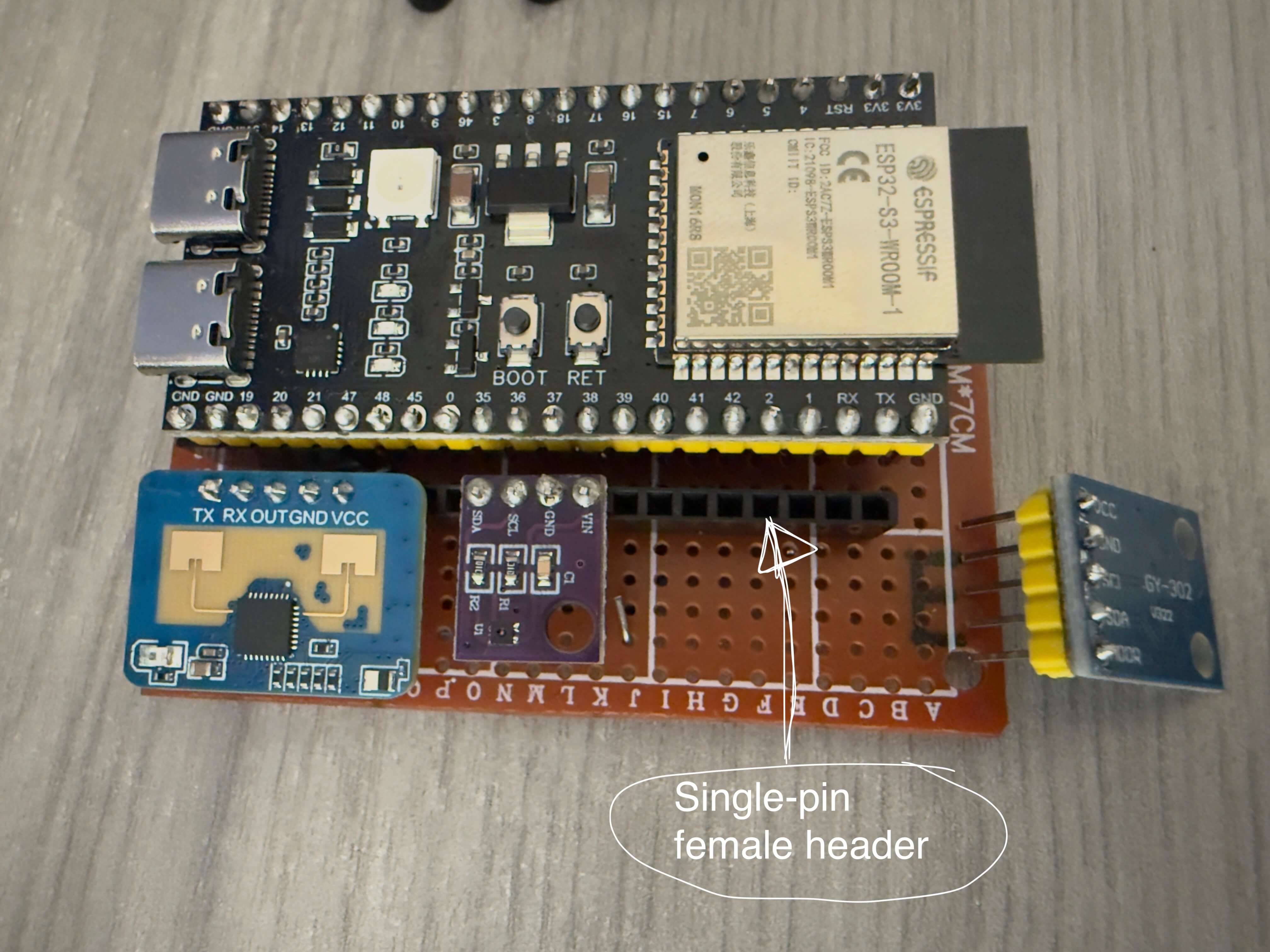
The eBay box came in handy then, with several boxes of single-pin female headers that I didn’t know I’d need, so the modules don’t need to be directly in contact with the heat on the board. The incomplete projects included in the box didn’t even have headers on their boards, so I had seen the black bars but had no idea what they could be used for.
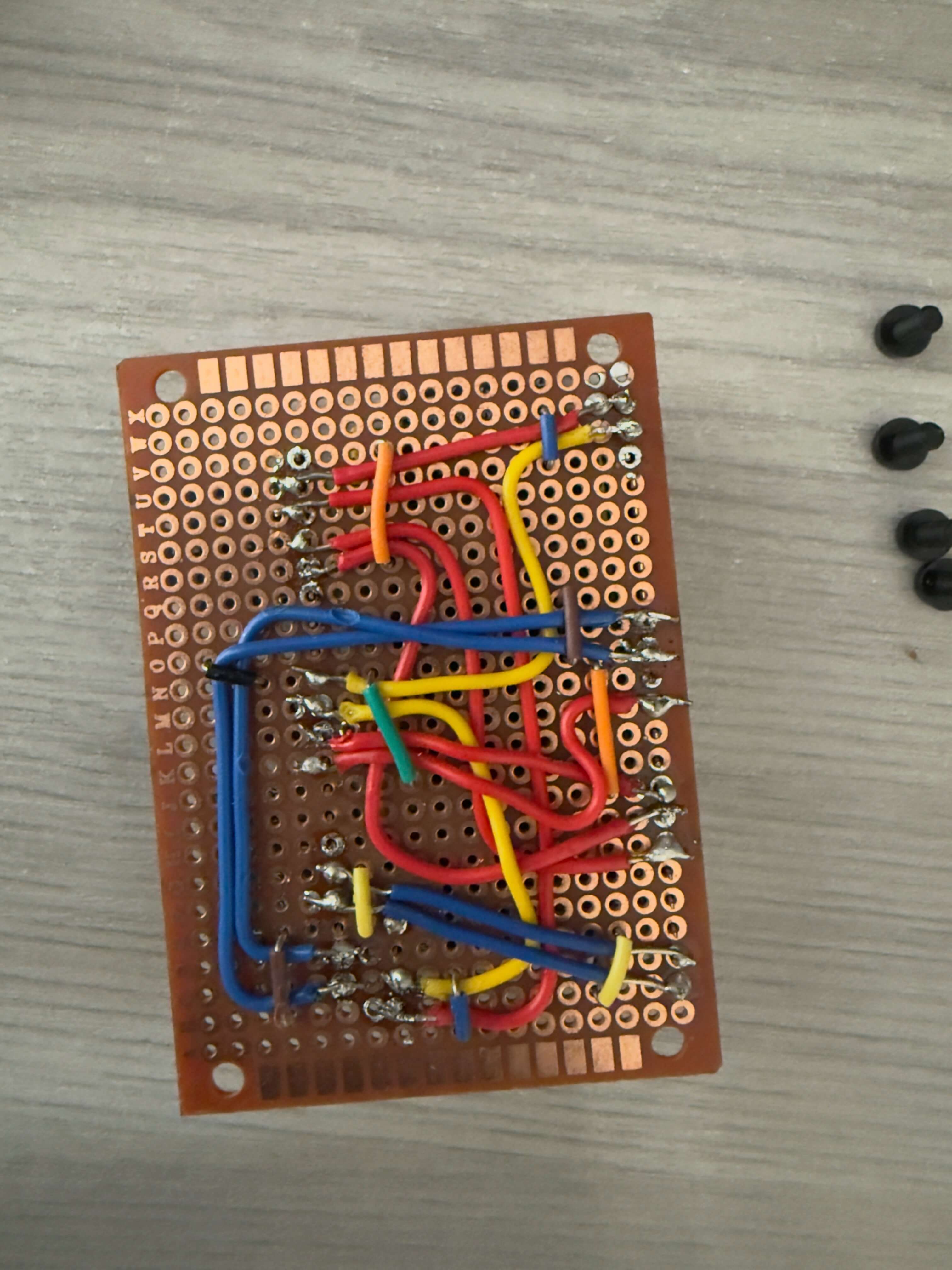
The other time, I soldered up my entire connection before realising that I’d had the board the wrong side around, which meant most things were not where they were supposed to be, resulting in the tedious extra task of desoldering, pulling and actually planning. Especially planning.
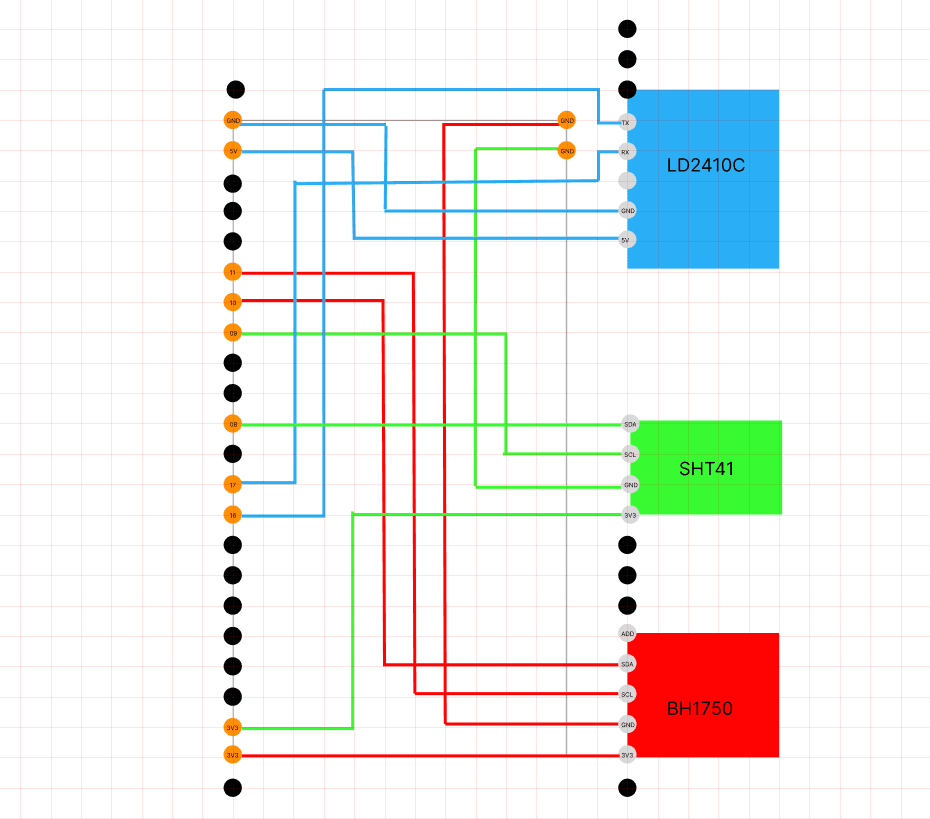
The good news is I’ve mostly learned from those mistakes. I now plan my board - not with typical circuit diagrams. Those would probably be overkill for any of this, just a simple what-goes-where diagram so I can keep track of all the connections. Plus, after every connection, I do a continuity test to make sure I got it right. It takes longer, but if anything happens, I can be sure it’s not a bad joint, and I can fix things before they escalate.
That was my foundation when I decided to take on the subwoofer surgery case. To start with, the sub wasn’t working intermittently; it wasn’t working at all. It turned on, but that was it - no sound, nothing. And not to brag or anything, but I got the relay for £5 and had the procedure done in like 45 minutes - probably a bit more. But the good news is that the sub now actually works - another one skips the tip.
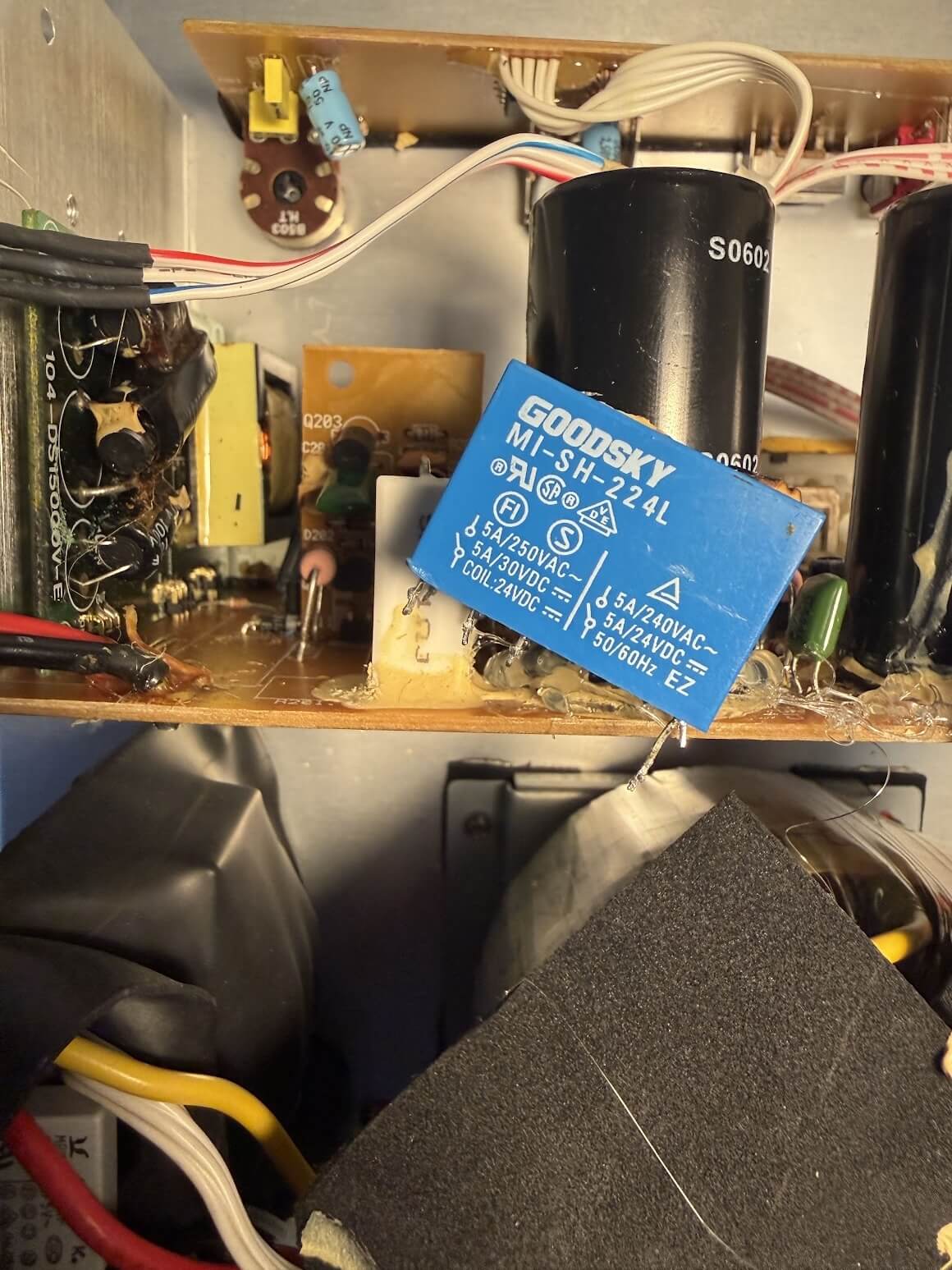
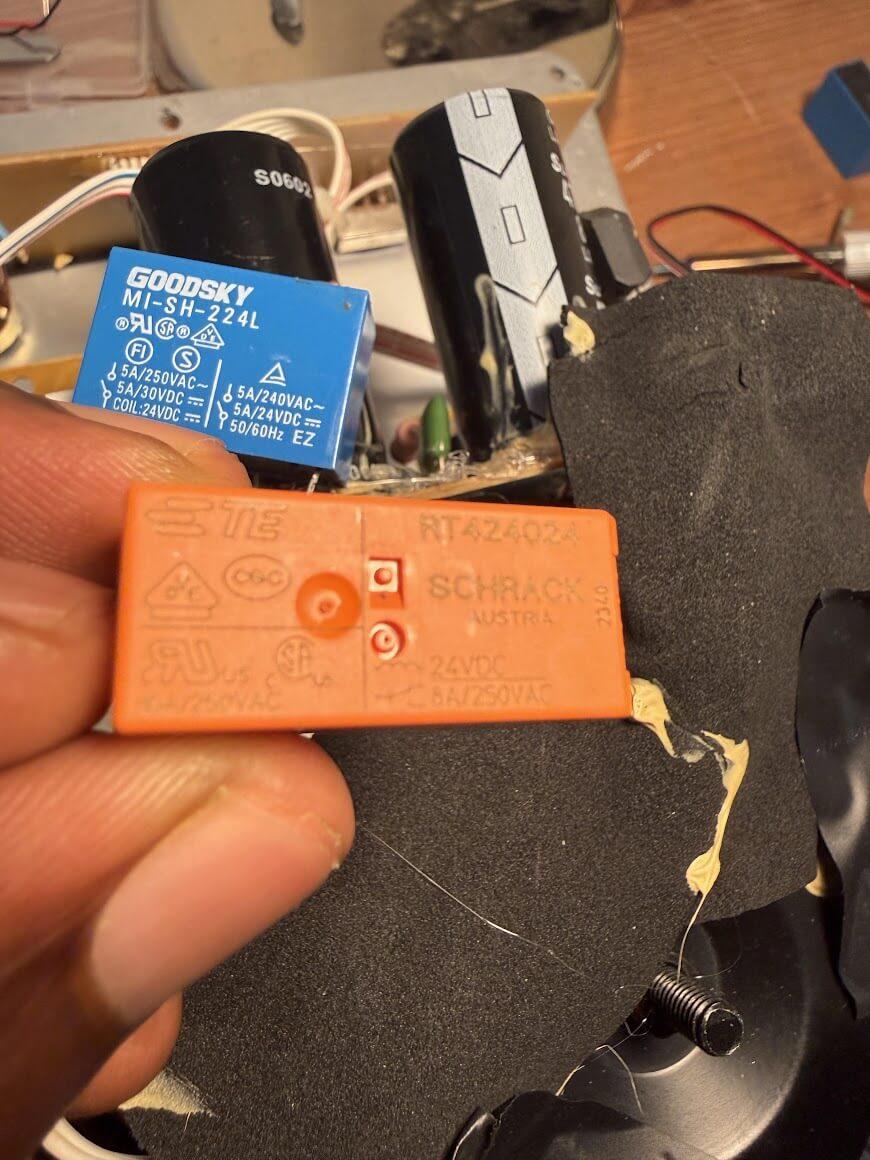
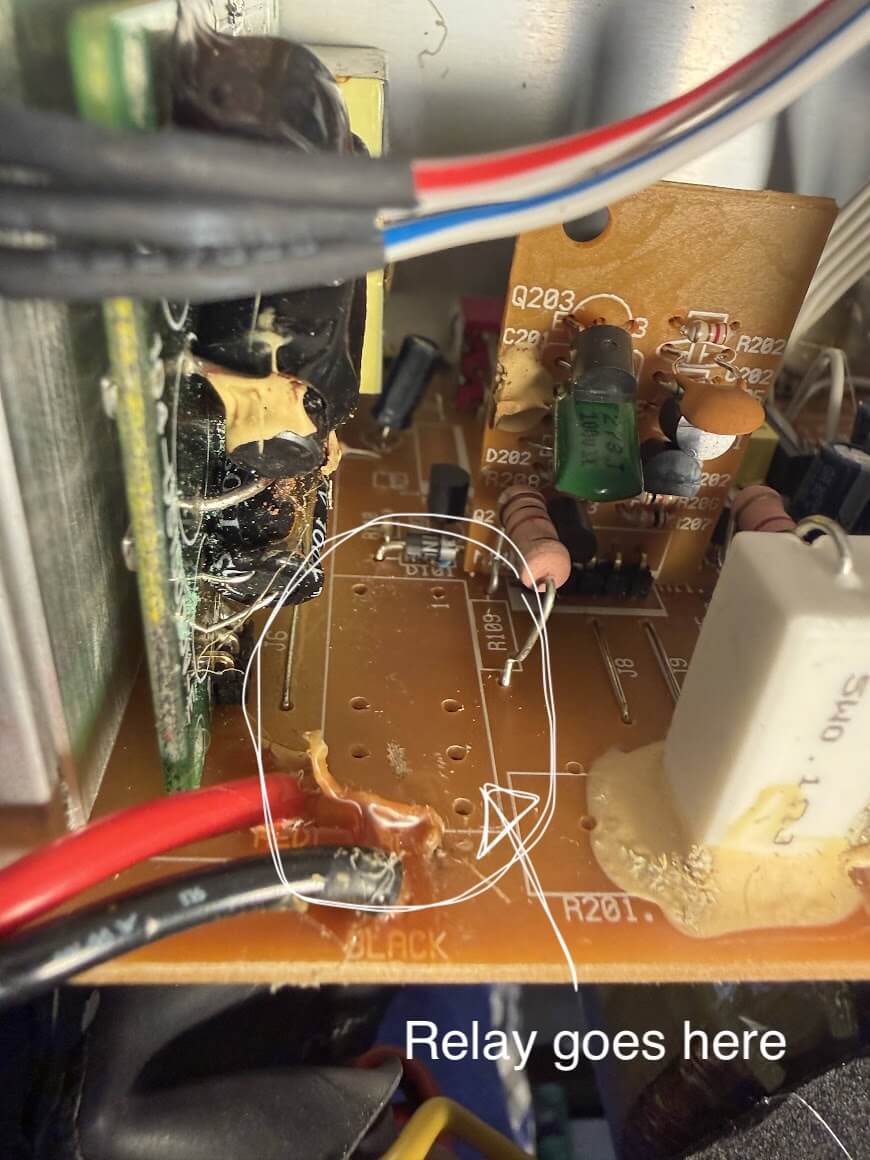
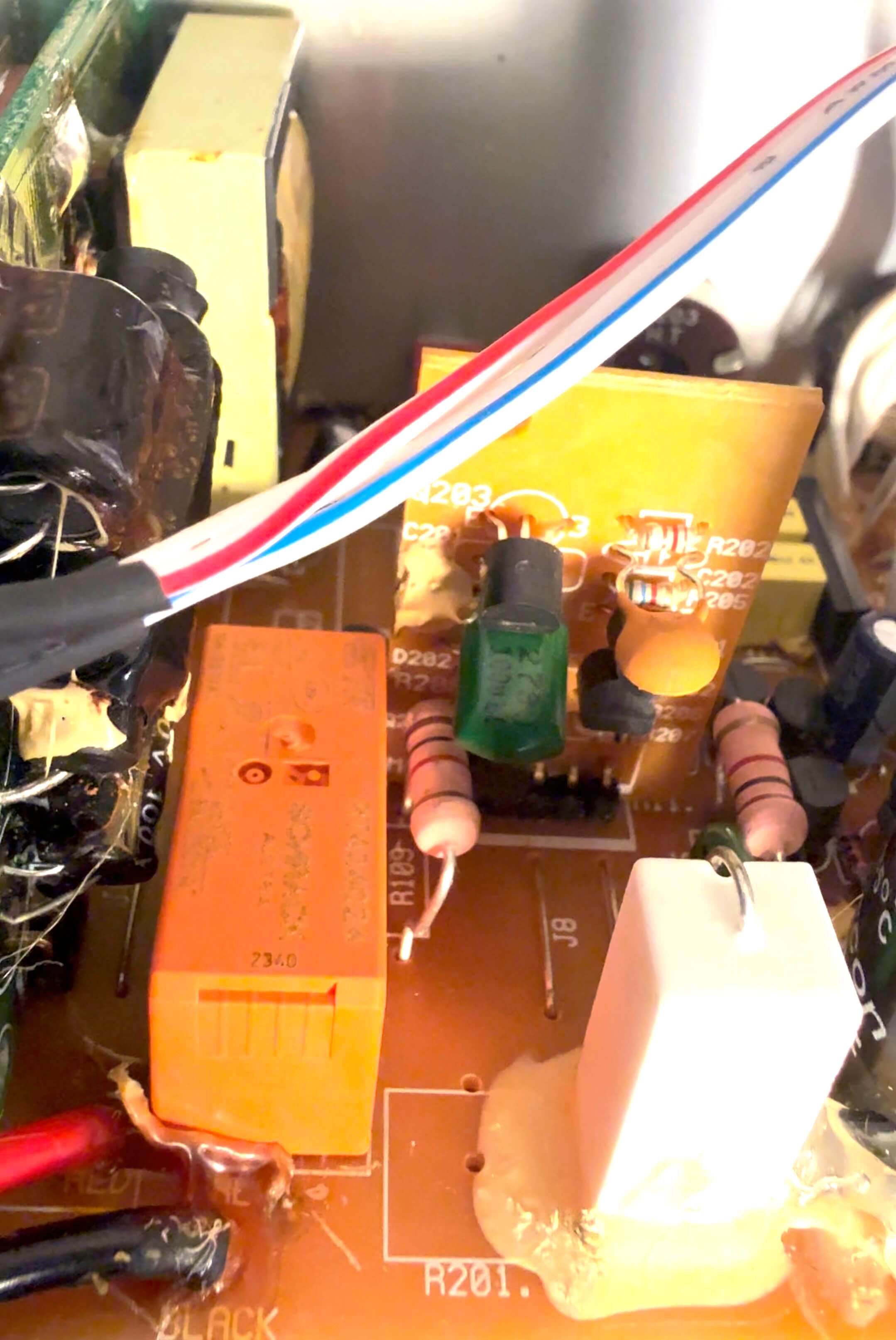
And I didn’t even burn any components or modules in the process - something that has happened more than a few times since I started pointing a hot soldering iron at miniature electronics. I assume that’s to be expected with these things; plus it is definitely better than it was a few months ago.
What I am discovering, though, is that these tiny projects can very easily become addictive. It’s had me online trawling for possible projects I can try. That said, I’m leaning towards figuring out what projects the previous owner of ‘the box’ was trying to build and attempting to complete them - if the outputs would be useful to me.